As the winter chill settles in, our kitchens become sanctuaries of warmth and deep, soul-satisfying flavors. January mushroom recipes are the cornerstone of this seasonal transition, offering a meaty, earth-driven complexity that perfectly replaces heavier holiday roasts. This isn’t your average “cream of” soup; it is a multi-textured masterpiece designed to highlight the forensic beauty of the fungi kingdom.
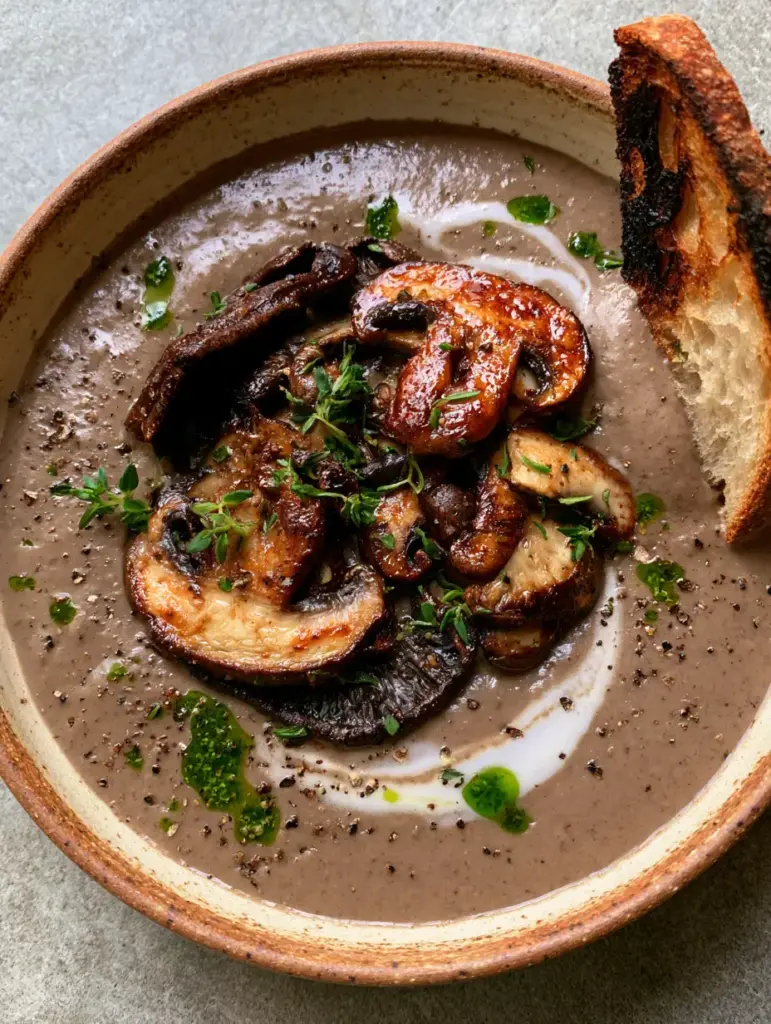
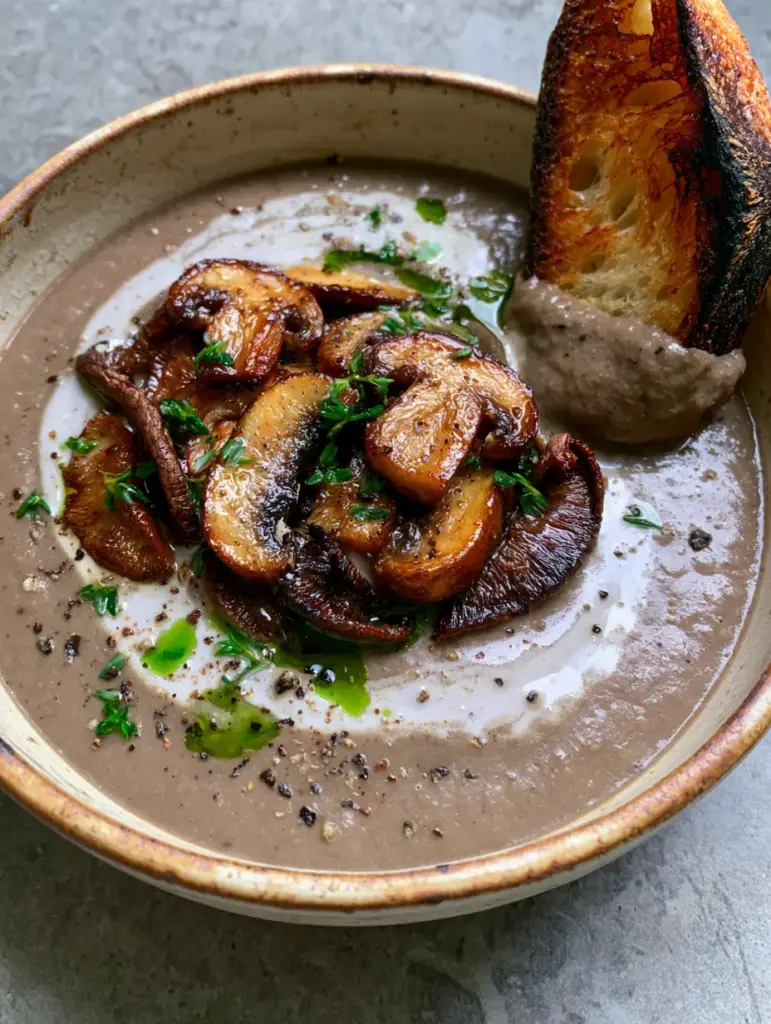
Imagine a bowl where the base is a deep taupe, achieved through the slow caramelization of aromatics and a blend of forest mushrooms. We aren’t just boiling vegetables here; we are building layers of umami that resonate on the palate. The visual contrast is just as striking as the flavor, featuring a marble-like swirl of rich coconut cream and vibrant droplets of green herb oil.
Whether you are looking for a sophisticated starter or a hearty main, this recipe delivers on every front. The inclusion of charred sourdough bread transforms the dish into a communal experience, inviting you to dip into the velvety depths. Let’s dive into the culinary science of creating the ultimate winter comfort bowl.
Why This Velvety Mushroom Blend Redefines Winter Comfort
- Textural Polarity: We pair a silk-smooth pureed base with the crunch of crispy shiitakes and the meaty bite of seared cremini.
- Clean Indulgence: By using thick coconut cream instead of heavy dairy, we achieve a luxurious mouthfeel that remains vibrant and light.
- Visual Artistry: The “marble” effect of the cream and the “vibrant green” of the herb oil make this a restaurant-quality presentation at home.
- Scientific Searing: We utilize the Maillard reaction to ensure every mushroom garnish is glistening and golden-brown, not rubbery.
The Earthy Elements: Essential Ingredients for Your January Mushroom Recipes
Mixed Forest Mushrooms: You’ll need 2 lbs (907g) of a mix like cremini, shiitake, and oyster. This variety ensures a complex flavor profile that single-variety soups lack.
The Garnish Duo (Cremini & Shiitake): We reserve 8 oz (227g) of cremini for searing and 4 oz (113g) of shiitake for crisping. These provide the essential “forensic visual accuracy” described in our blueprint.
Aromatic Foundation: 2 large (300g) shallots and 4 cloves (20g) of garlic provide the sharp, sweet backbone. These aromatics bridge the gap between the earthy mushrooms and the herbal garnishes.
Thick Coconut Cream: 1/2 cup (120ml) of full-fat coconut cream is used for that iconic white swirl. Its high fat content provides the “velvety” consistency required for a professional finish.
Fresh Thyme Sprigs: 4-5 sprigs (5g) are used both in the infusion and as a fresh garnish. Thyme’s woodsy notes are the natural best friend to any mushroom-centric dish.
Green Herb Oil: A blend of 1 cup (30g) fresh parsley and 1/2 cup (120ml) neutral oil. This adds the “droplets of green” that cut through the richness of the taupe base.
Charred Sourdough: 2 thick slices (100g) per person, toasted until charred. The charring provides a bitter counterpoint to the sweet, earthy soup base.
The Culinary Toolkit: Equipment for a Professional Finish
To achieve the “high resolution, unedited look” of a professional food photograph, your tools matter. A high-speed immersion blender or a dedicated upright blender is non-negotiable for the “velvety” base.
You will also need a wide cast-iron or heavy-bottomed stainless steel skillet. These materials hold heat better, allowing you to achieve the “glistening golden-brown” sear on the cremini without the mushrooms releasing too much moisture and steaming instead.
Finally, a fine-mesh sieve is helpful if you want your herb oil to be perfectly translucent. While a rustic look is fine, a clear green oil creates a more striking visual contrast against the deep taupe soup.
Step-by-Step Architecture: Constructing the Perfect Umami Bowl
The Foundation: Developing the Taupe Puree
Begin by sautéing your shallots and garlic in 2 tbsp (30ml) of olive oil over medium heat. Look for the shallots to become translucent and slightly golden at the edges, which should take about 5-7 minutes.
Add 1.5 lbs (680g) of your mushroom mix to the pot. Resist the urge to salt immediately; let the mushrooms release their water and then brown in their own juices. This is how you achieve that “deep taupe” color.
Deglaze the pan with a splash of dry white wine or vegetable stock, scraping up all the brown bits (the fond). Add 4 cups (960ml) of high-quality vegetable stock and your thyme sprigs, simmering for 20 minutes until the mushrooms are tender.
The Textural Garnish: Searing and Crisping
While the soup simmers, heat your skillet to high with 1 tbsp (15ml) of neutral oil. Add the sliced cremini mushrooms in a single layer—do not crowd the pan! Listen for a loud sizzling sound; this indicates the moisture is evaporating and the sear is beginning.
Once the cremini are glistening and golden-brown, remove them and add the thinly sliced shiitakes. Lower the heat slightly and cook until the edges are curled and “crispy,” matching the visual recipe blueprint perfectly.
For the herb oil, blanch 1 cup (30g) of parsley in boiling water for 10 seconds, then shock in ice water. Blend with 1/2 cup (120ml) of oil and a pinch of salt, then strain through a coffee filter or fine sieve.
The Final Emulsification: Achieving the Velvet Consistency
Remove the woody thyme stems from the soup pot. Using your high-speed blender, process the soup on the highest setting for at least 60 seconds. You are looking for a completely smooth, aerated consistency with no visible chunks.
Taste for seasoning. This is the time to add your cracked black pepper and extra salt. If the soup is too thick, add a splash more stock; it should coat the back of a spoon elegantly.
Expert Tips for Mushroom Mastery
- Don’t Wash, Wipe: Mushrooms act like sponges. Instead of rinsing them under water, use a damp paper towel to wipe away dirt. This ensures they sear rather than steam in the pan.
- The Secret of Soy: For an even deeper “taupe” color and extra umami, add 1 tsp (5ml) of tamari or soy sauce to the base before blending.
- Room Temp Cream: Ensure your coconut cream is at room temperature before swirling. If it’s too cold, it will clump rather than create that beautiful “marble pattern.”
- The Bread Char: To get the “charred sourdough” look, brush the bread with olive oil and place it directly over a gas flame for 5-10 seconds or use a very hot dry skillet.
Storage and Reheating Protocols
This soup is an excellent candidate for meal prep. Store the pureed base in an airtight container in the refrigerator for up to 5 days. However, for the best experience, always prepare the “crispy shiitake” garnishes fresh.
To reheat, simmer gently on the stovetop. Avoid a rolling boil, as this can break the delicate emulsion of the mushrooms. If the soup has thickened in the fridge, whisk in 2-3 tbsp (30-45ml) of water or stock during the reheating process.
Freezing is possible for the base! It will stay fresh for up to 3 months. Simply thaw overnight in the fridge and re-blend briefly after heating to restore the “velvety” texture.
What to Serve with These January Mushroom Recipes
While this soup is a powerhouse on its own, it pairs beautifully with other seasonal dishes. If you are looking for more fungi inspiration, consider starting with these roasted maitake mushrooms as a side dish.
For a heartier lunch, this soup is the perfect partner for a gooey gourmet mushroom melt. If you prefer a lighter side, the acidity in an avocado and mango salad provides a refreshing contrast to the earthy umami of the mushrooms.
If you’re hosting a dinner party, serve this soup as the first course followed by baked salmon with spinach or perhaps a decadent creamy mushroom gratin for the ultimate mushroom-themed feast.
Frequently Asked Questions
Absolutely. Rehydrate dried porcini or shiitakes in warm water and use both the chopped mushrooms and the strained soaking liquid to boost the umami in the base.
The secret is caramelization. Sauté the mushrooms until they release their moisture and begin to brown deeply in the pan before adding any liquid.
Slice them very thin and cook them in a single layer in a hot skillet with a small amount of oil until the edges curl and turn a dark golden brown.
Yes! By using coconut cream for the swirl and vegetable stock for the base, this recipe is naturally vegan and dairy-free without sacrificing richness.
A blend of cremini for meatiness, shiitake for crisp edges, and oyster mushrooms for a delicate earthy base provides the best depth of flavor for winter soups.
The Ultimate January Mushroom Soup Recipe
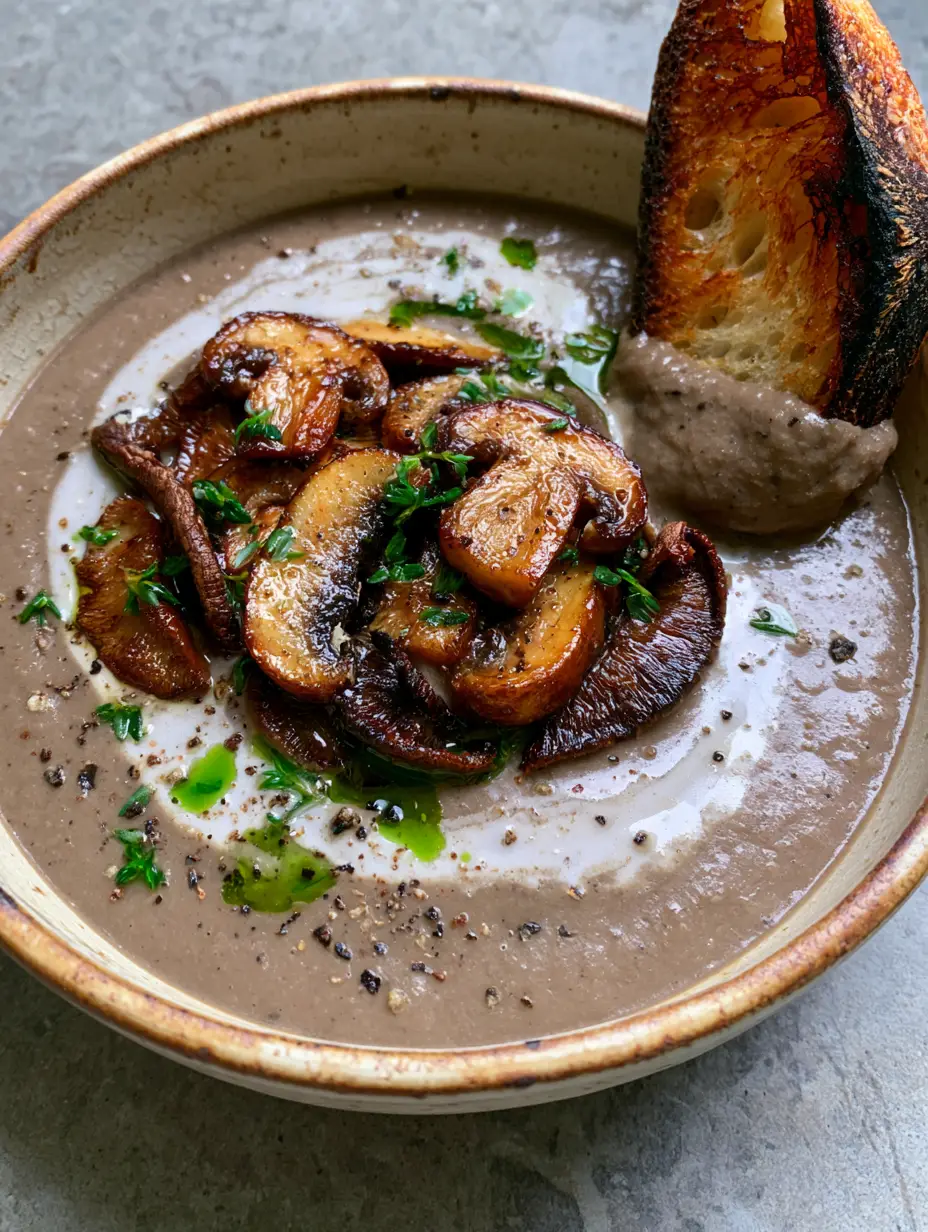
January Mushroom Recipes: Velvety Umami Soup with Crispy Shiitakes and Herb Oil
Ingredients
Equipment
Method
- In a large pot, sauté shallots and garlic in oil until translucent. Add the 1.5 lbs of mixed mushrooms and cook until deep taupe and fragrant.
- Add vegetable stock and thyme. Simmer for 20 minutes. Remove thyme stems and blend until completely velvety and smooth.
- Heat a skillet with oil. Sear cremini slices in a single layer until glistening and golden-brown.
- Add shiitakes to the pan and cook until edges are curled and crispy.
- Ladle soup into bowls. Swirl coconut cream in a marble pattern. Top with seared mushrooms, crispy shiitakes, herb oil droplets, and cracked pepper. Serve with charred sourdough.
Notes
Use a high-speed blender for the smoothest 'velvety' texture.
Closing & Call to Action
The beauty of January mushroom recipes lies in their ability to feel both incredibly luxurious and deeply grounded. By focusing on textural contrasts—the silky puree versus the crispy shiitakes—you create a dining experience that engages all the senses. We hope this bowl brings a bit of “soft natural daylight” and warmth to your winter table.
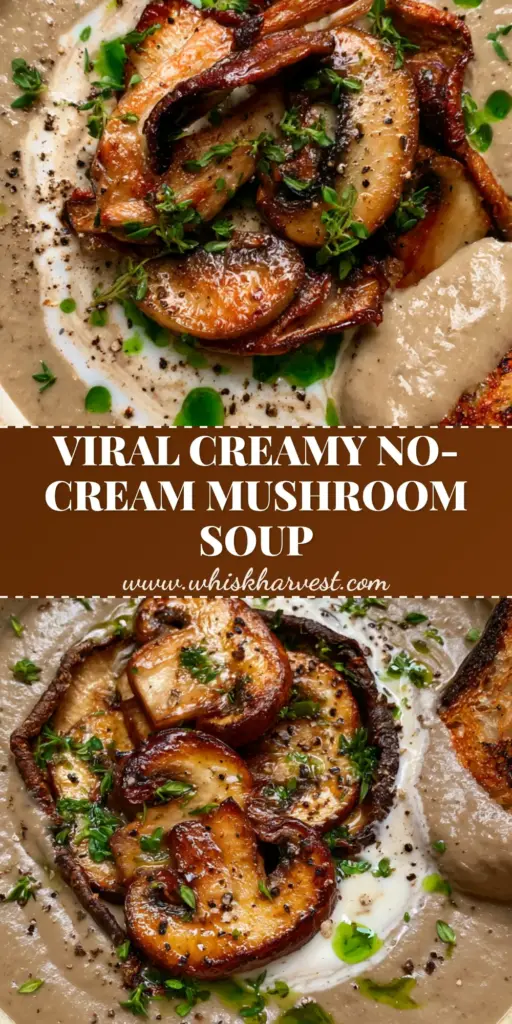
Did you achieve the perfect coconut cream swirl? We’d love to see your creations! Leave a comment below or share your photos on Pinterest. Don’t forget to sign up for our newsletter for more culinary forensics and SEO-optimized kitchen secrets.