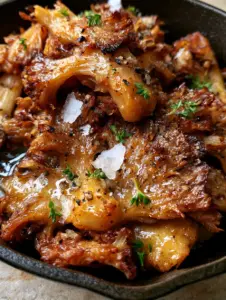
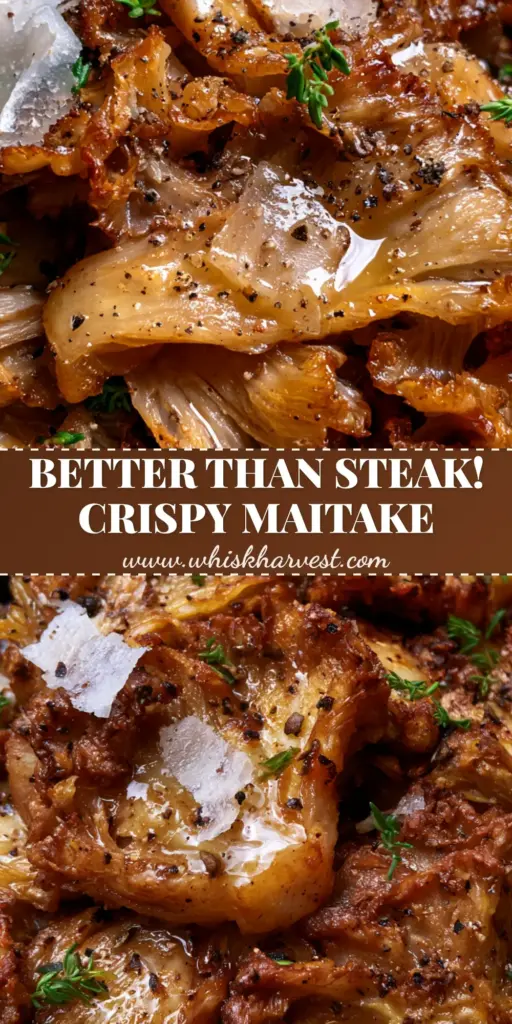
When it comes to high-impact maitake mushroom recipes, nothing compares to the sensory explosion of a perfectly seared cluster. The maitake, often called “Hen of the Woods,” possesses a unique architecture of frilled, delicate edges and a thick, central core that mimics the texture of a premium steak.
This recipe is designed to transform those earthy petals into shattered, crispy gold while keeping the stems succulent and meaty. We are bridging the gap between professional steakhouse techniques and home-cooked comfort, resulting in a dish that looks as incredible as it tastes.
Imagine the aroma of nutty browned butter mingling with pungent garlic and fresh thyme filling your kitchen. Every bite offers a contrast between the crunch of charred edges and the glossy, translucent glaze that clings to every ridge of the mushroom.
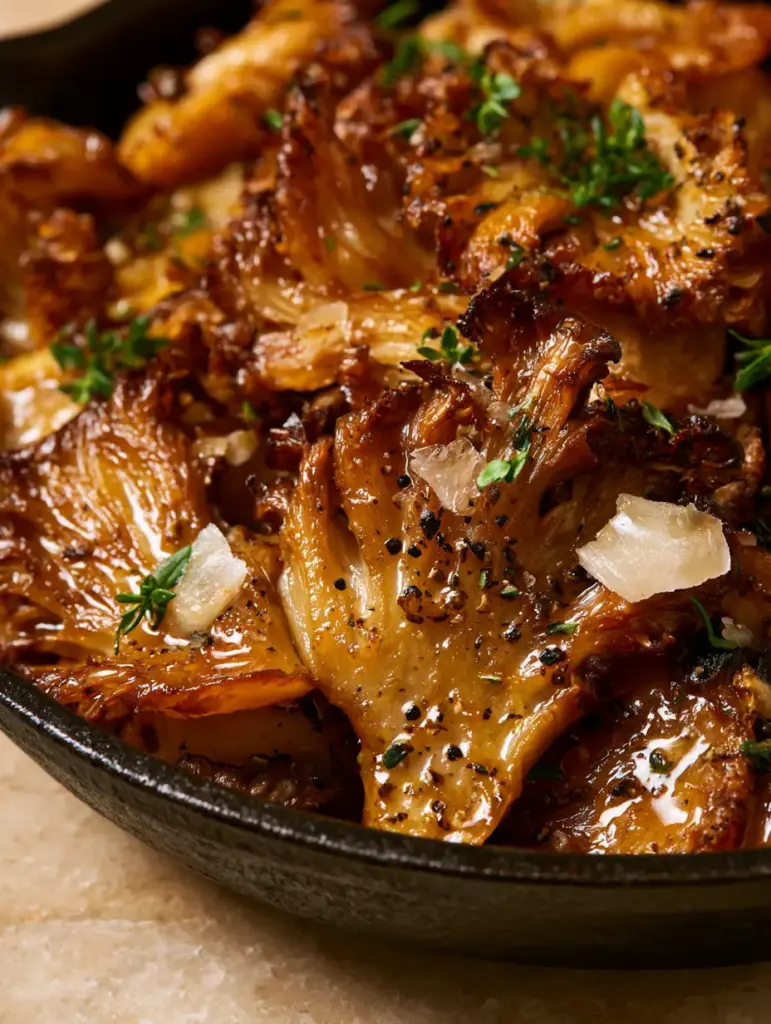
Why This Technique Redefines Your Mushroom Experience
- The Shattered Edge Effect: We utilize high-heat searing to create frilled edges that are incredibly thin and crispy, providing a “shattered” mouthfeel.
- Steak-Like Substance: By treating the stems like a protein, we achieve a juicy, meaty interior that satisfies even the most dedicated carnivores.
- Glossy Umami Glaze: A finishing bast of garlic-herb butter creates a translucent, reflective coating that amplifies the mushroom’s natural earthiness.
- Sensory Garnishes: Large, jagged flakes of sea salt and lemon zest micro-shavings provide bright, sharp counterpoints to the rich, savory depth of the dish.
Essential Components for the Meatiest Mushroom Clusters
To master these maitake mushroom recipes, you must start with the right building blocks. Each ingredient serves a specific structural or flavor-enhancing purpose to match our visual blueprint.
Fresh Maitake Clusters (1 lb / 450g): Look for firm, vibrant clusters without soft spots. These mushrooms will be the star, providing both the “shattered” frills and the “steak” center.
Avocado Oil or Grapeseed Oil (2 tbsp / 30ml): A foundational “invisible” ingredient. We need a high-smoke point oil to achieve that deep golden-brown char without the oil breaking down or smoking excessively.
Unsalted Butter (3 tbsp / 42g): Butter is essential for the glossy glaze and the nutty, Maillard-reaction-rich flavor. We use unsalted to control the seasoning precisely with our finishing salt.
Fresh Garlic (3 cloves): Smashed but kept whole, these infuse the butter with a mellow, roasted pungency without burning and becoming bitter.
Fresh Thyme Leaves (1 tbsp): These tiny vibrant green leaves add a woody, floral note that cuts through the richness of the butter basting.
Lemon Zest (1 tsp): Micro-shavings of lemon zest provide a hidden acidity that brightens the entire flavor profile, making the “meaty” stems feel less heavy.
Flaky Sea Salt & Cracked Black Peppercorns (To Taste): Use large, jagged flakes for the visual “pop” and a crunch that releases a burst of salinity with every bite.
Heavy Metal: Why Your Cast Iron Skillet is Non-Negotiable
To achieve the results seen in our visual guide, a rustic black cast iron skillet is the only tool for the job. Cast iron has a high thermal mass, meaning it won’t drop in temperature when the cold mushrooms hit the pan.
This consistent heat is what creates the “frilled edges that look incredibly shattered.” If you use a thin non-stick pan, the mushrooms are more likely to steam rather than sear, resulting in a rubbery texture rather than a crispy one.
You will also need a microplane for those lemon zest shavings and a heavy press or a second smaller skillet. Pressing the mushrooms during the initial sear ensures maximum surface contact, turning the edges into those coveted crispy ridges.
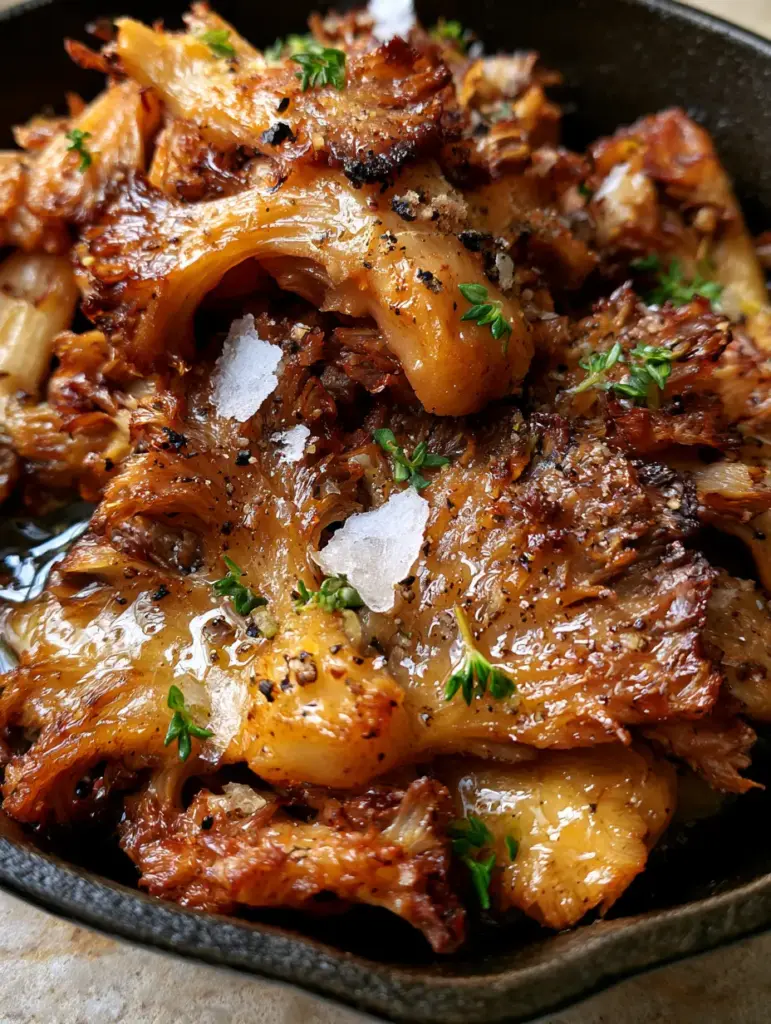
The Path to Culinary Gold: Mastering the Sear
Preparing the Clusters
Do not wash your maitake mushrooms under running water; they act like sponges and will become soggy. Instead, use a damp paper towel to wipe away any forest debris.
Keep the mushrooms in large, steak-like clusters. Slicing them too thin will prevent you from achieving the “juicy and meaty” stem texture we are looking for in these maitake mushroom recipes.
The Initial High-Heat Sear
Place your cast iron skillet over medium-high heat until the oil begins to shimmer and a faint wisp of smoke appears. This is your visual cue that the pan is ready for a professional sear.
Place the mushroom clusters in the pan, ensuring they aren’t crowded. Use a heavy press or a second skillet to flatten them slightly. You should hear a vigorous sizzling sound immediately.
Sear for 4-5 minutes without moving them. You are looking for a deep golden-brown color on the frilled edges. If you lift a corner, it should look “shattered” and firm, not soft.
The Garlic Butter Baste
Flip the clusters carefully using a wide spatula. Reduce the heat to medium and add the butter, smashed garlic cloves, and fresh thyme leaves to the pan.
As the butter melts and begins to foam, tilt the skillet slightly. Use a large spoon to continuously pour the hot, herb-infused butter over the mushrooms for 2-3 minutes.
Watch for the “glossy, translucent garlic-herb butter glaze” to coat the ridges of the mushrooms. The stems will absorb the butter, becoming succulent and steak-like in the process.
Finishing with Precision
Remove the skillet from the heat. The residual heat of the cast iron will continue to crisp the edges while you add the final garnishes.
Shower the clusters with the large flakes of sea salt and the coarsely cracked black peppercorns. Finally, grate the lemon zest directly over the pan, letting the micro-shavings settle into the buttery crevices.
Pro Secrets for the Glossiest Garlic Butter Glaze
- Wait for the Foam: Only start basting once the butter has finished foaming. This indicates the water content has evaporated, leaving behind the fat and milk solids that create a rich glaze.
- Dry is Best: If your mushrooms feel damp, let them sit uncovered in the fridge for an hour before cooking. Moisture is the enemy of the “shattered” edge.
- Don’t Crowd the Pan: Crowding leads to steaming. Cook in batches if necessary to maintain that high-heat sear.
- The Resting Period: Let the mushrooms rest for 2 minutes before serving. This allows the juices in the meaty stems to redistribute, just like a real steak.
Keeping the Crisp: Storing and Reheating
Maitake mushroom recipes are best enjoyed immediately to appreciate the contrast in textures. However, if you have leftovers, store them in an airtight container in the refrigerator for up to 3 days.
To reheat and reclaim that crunch, avoid the microwave at all costs. Instead, place the mushrooms back into a hot, dry skillet over medium heat for 3-4 minutes until they sizzle and the edges crisp up again.
Freezing is not recommended for this specific preparation, as the delicate frilled edges will lose their structural integrity once thawed.
Perfect Pairings to Elevate Your Plate
These savory, buttery mushrooms are incredibly versatile. For a complete seasonal feast, consider serving them alongside other seasonal mushroom favorites or as a topping for a decadent mushroom melt.
If you want to lean into the “steak” vibe, pair these clusters with crispy sliced potatoes or a side of garlic butter baked salmon. The acidity in a fresh avocado salad also provides a beautiful contrast to the earthy, rich mushrooms.
For those looking for a plant-based centerpiece, these maitake clusters hold their own next to a rich mushroom gratin during holiday dinners.
Common Questions About Cooking Hen-of-the-Woods
Yes, Maitake (Grifola frondosa) is the Japanese name for the mushroom commonly known in North America as Hen of the Woods because of its ruffled appearance.
While you can, a cast iron skillet is highly recommended. Cast iron retains heat better, which is crucial for achieving those ‘shattered’ crispy edges and the deep golden-brown char.
No, washing maitake mushrooms under water makes them soggy and prevents them from getting crispy. Instead, use a damp cloth or a soft brush to remove any visible dirt or forest debris.
The key is keeping the clusters large and pressing them down in a hot pan. This creates a dense, meaty texture in the central stem while the outer petals become crispy, mimicking a high-end steak sear.
Avoid the microwave, which will make them rubbery. Reheat them in a hot, dry skillet for a few minutes until the edges crisp up again and the butter sizzles.
The Ultimate Crispy Pan-Seared Maitake Mushroom Recipe
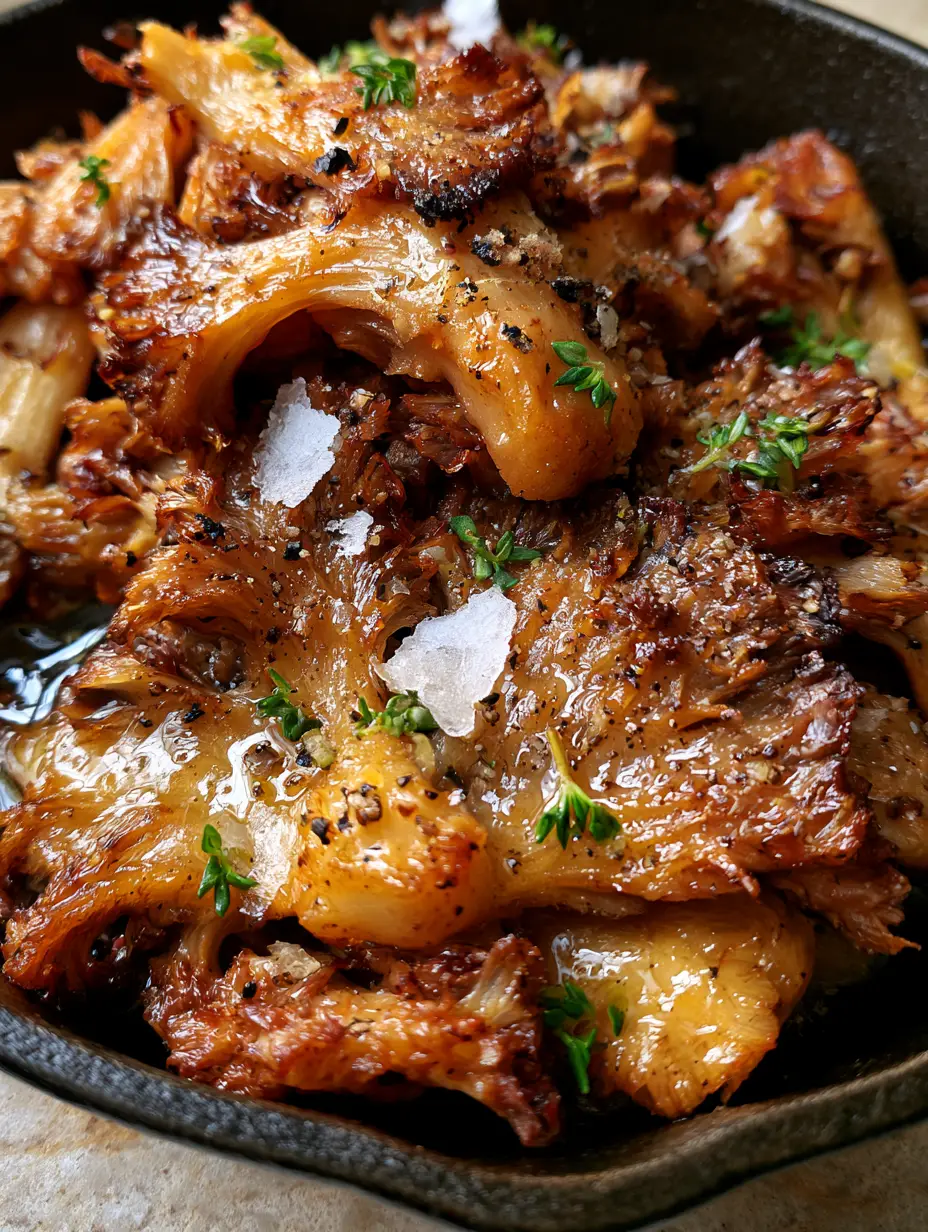
Maitake Mushroom Recipes: The Ultimate Crispy Pan-Seared Garlic Butter Guide
Ingredients
Equipment
Method
- Wipe the maitake clusters with a damp paper towel to remove debris. Do not soak. Keep them in large, intact clusters to maintain the meaty stem texture.
- Heat avocado oil in a cast iron skillet over medium-high heat until shimmering and starting to wisp smoke.
- Place mushrooms in the skillet and press down with a heavy weight. Sear for 4-5 minutes until the frilled edges are deep golden-brown and look shattered and crispy.
- Flip the clusters. Add butter, garlic, and thyme. Once the butter foams, spoon it continuously over the mushrooms for 2-3 minutes until they have a glossy, translucent glaze.
- Remove from heat. Top with flaky sea salt, cracked pepper, and fresh lemon zest micro-shavings before serving.
Notes
Don't salt the mushrooms until the very end to prevent them from releasing water too early.
Join the Harvest
Mastering maitake mushroom recipes is a rite of passage for any home cook looking to explore the depths of umami. The combination of shattered, crispy edges and a juicy, steak-like center is a culinary revelation that proves vegetables (and fungi!) can be the star of the show.
If you enjoyed this deep dive into mushroom science, please leave a comment below and let us know how your sear turned out! Don’t forget to follow us on Pinterest for more visually stunning recipe inspiration.