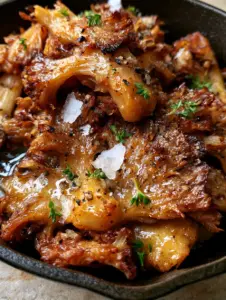
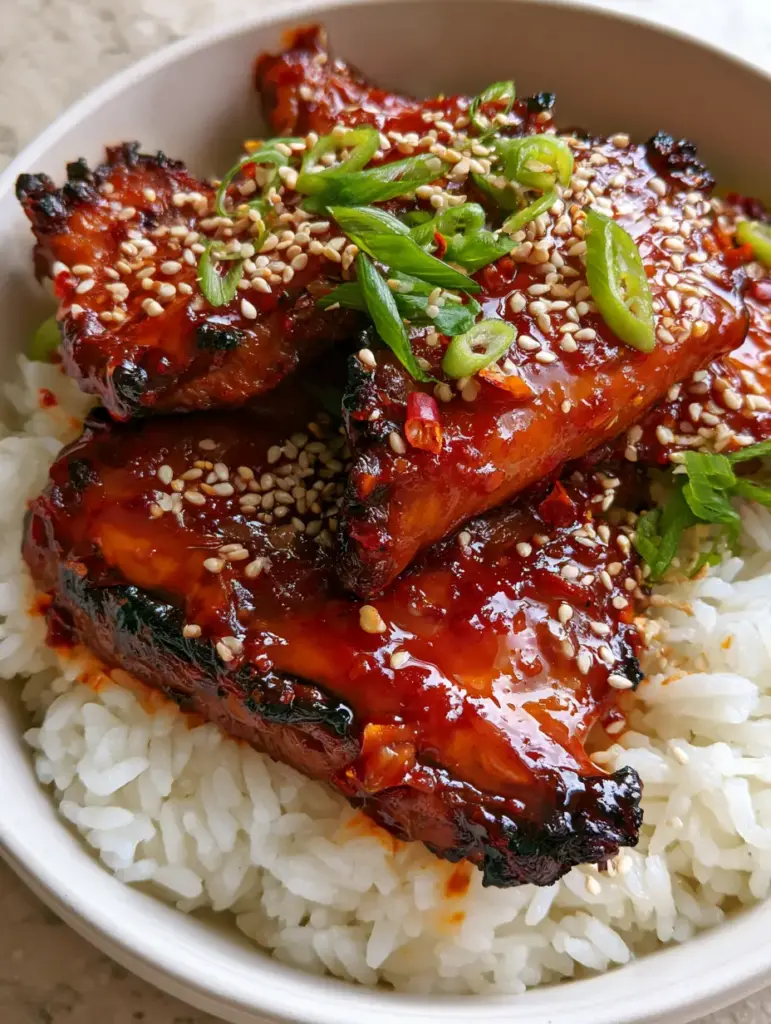
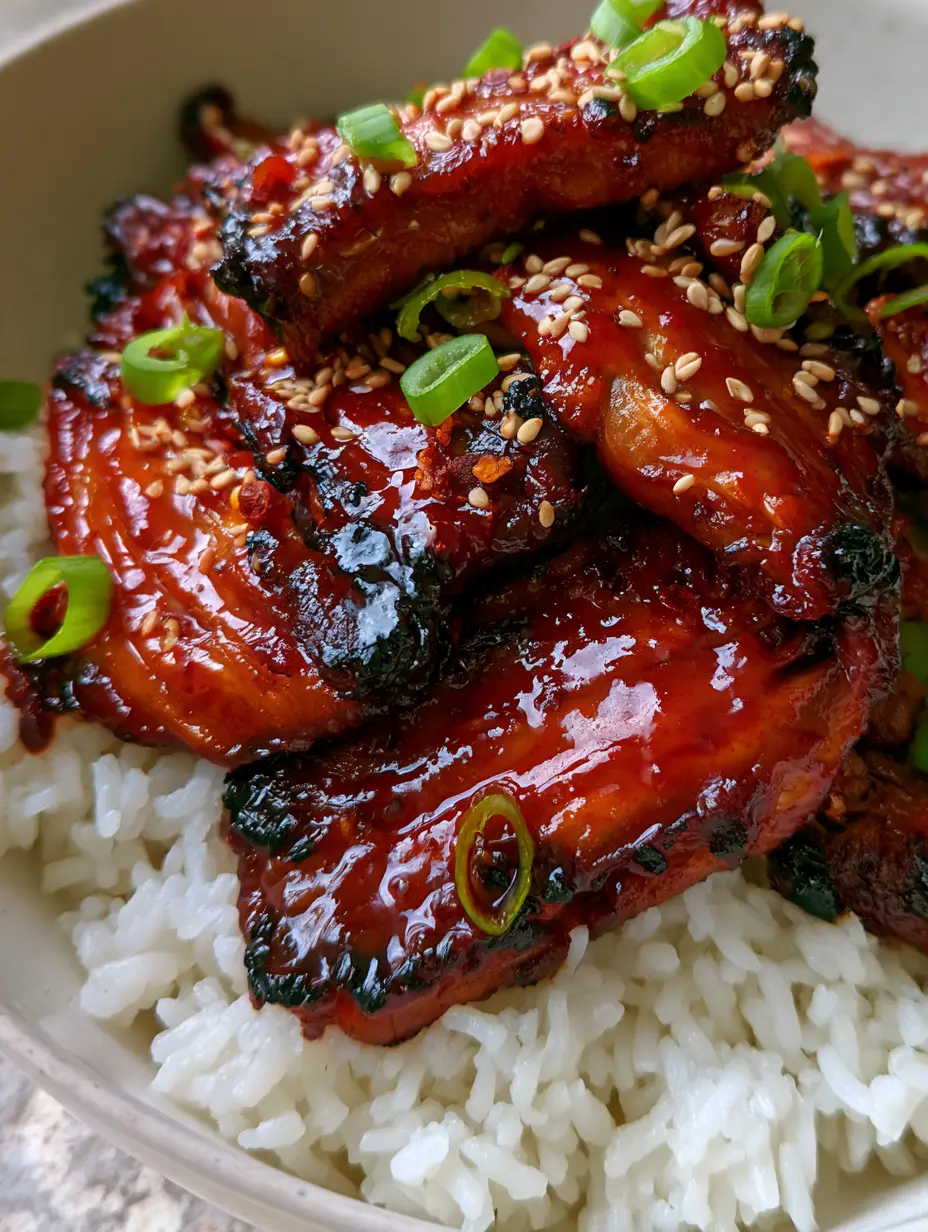
Experience the ultimate umami bomb with these Gochujang Mushrooms, featuring meaty oyster mushroom clusters seared to crispy perfection and drenched in a glossy, deep crimson-red glaze. This recipe transforms humble fungi into a restaurant-quality main dish that rivals any “fakeaway” favorite.
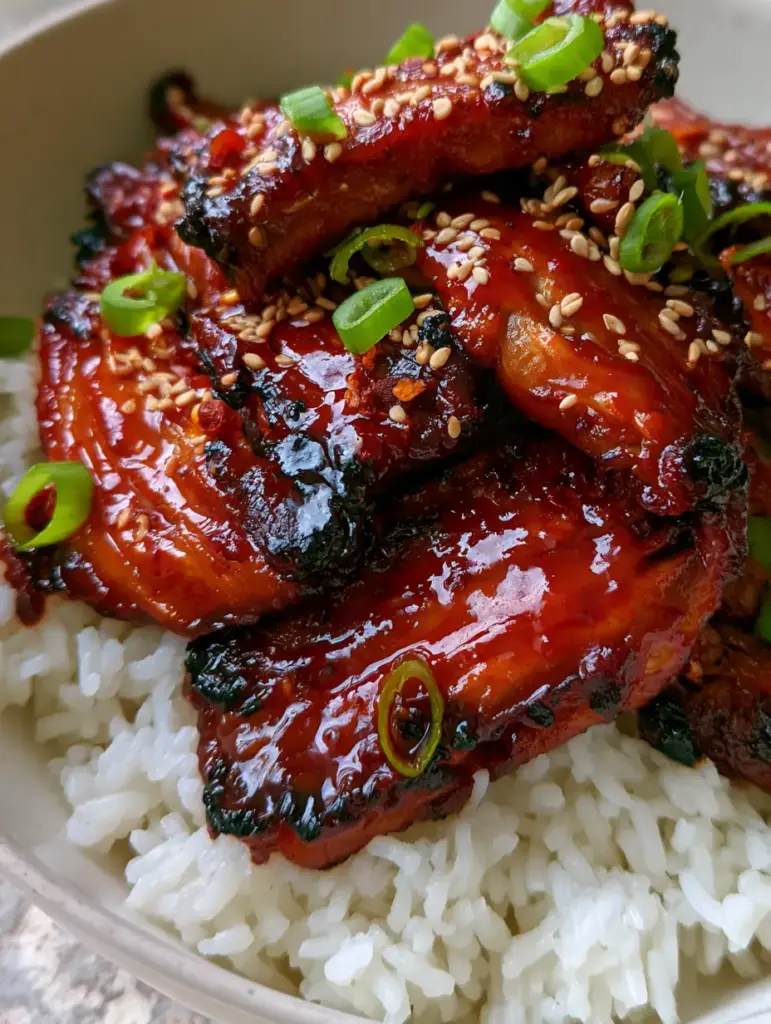
The magic lies in the contrast between the charred, smoky edges of the mushrooms and the thick, syrupy heat of the fermented Korean chili paste. Served over a bed of steaming, individual grains of white jasmine rice, it is a visual and sensory masterpiece.
Whether you are a long-time fan of Korean flavors or a newcomer to the world of fermented spices, this dish delivers a complex balance of sweet, savory, and spicy notes that will leave you craving more. Let’s dive into how to achieve that perfect smartphone-worthy finish.
Why These Umami-Packed Spicy Mushrooms Actually Work
- Textural Harmony: By high-heat searing the oyster mushrooms, we create “meaty” charred edges that provide a structural snap against the soft, fluffy jasmine rice.
- The Gloss Factor: Our specific glaze ratio ensures a translucent, deep-red coating that clings to every crevice without making the mushrooms soggy.
- Visual Precision: From the bright green scallions to the toasted white sesame seeds, every garnish is designed to provide flavor contrast and professional aesthetic appeal.
- Quick Execution: Unlike traditional braised dishes, these Gochujang Mushrooms come together in under 30 minutes, making them ideal for high-end weeknight dining.
The Anatomy of Perfect Gochujang Mushrooms
To achieve the result seen in our visual blueprint, you need high-quality ingredients that react correctly to heat. Each component serves a culinary and aesthetic purpose.
Oyster Mushroom Clusters: Use 1 lb (450g) of fresh oyster mushrooms. Their fan-like structure is essential for catching the glaze and developing those signature charred, crispy edges during the sear.
Gochujang Paste: 2 tbsp (30g) of fermented Korean chili paste provides the base. This is what creates the deep crimson-red color and the foundational spicy-sweet funk.
Jasmine Rice: 1 cup (185g) of dry rice, properly rinsed. We want individual grains that stay distinct under the weight of the syrupy sauce, providing a clean, neutral base.
Neutral High-Smoke Point Oil: 2 tbsp (30ml) of grapeseed or avocado oil. This is a “foundational invisible” ingredient required to achieve the Maillard reaction without the oil burning or smoking excessively.
The Gloss Elements: 1 tbsp (15ml) of honey or maple syrup and 1 tsp (5ml) of toasted sesame oil. These are critical for creating the “syrupy” and “glossy” texture described in our visual prompt.
Aromatic Trinity: Freshly grated ginger, garlic, and the white parts of 3 scallions. These build the flavor floor that supports the heavy heat of the gochujang.
The Garnishes: 1 tbsp (9g) toasted white sesame seeds, 2 thinly sliced green scallions, and a pinch of crushed red chili flakes. These provide the final pop of color and texture seen in the handheld smartphone photo.
Essential Tools for a Professional Sear
To get those “heavily seared” textures, you cannot use just any pan. A heavy-bottomed cast iron skillet or a high-quality stainless steel pan is required to maintain the heat needed for charring.
You will also need a fine-mesh strainer for rinsing your rice. This ensures you remove excess starch, leading to those fluffy, individual grains that won’t turn into a gummy mass under the glaze.
How to Make the Ultimate Gochujang Mushrooms
Mastering the Fluffy Jasmine Rice
Start by rinsing 1 cup (185g) of jasmine rice under cold water until the water runs clear. Combine with 1.5 cups (355ml) of water and a pinch of salt in a small pot.
Bring to a boil, then reduce to the lowest simmer, cover, and cook for 15 minutes. Remove from heat and let it sit, covered, for 5 minutes before fluffing with a fork to see those individual grains.
Achieving the Charred Mushroom Sear
While the rice rests, prepare your oyster mushrooms by tearing them into bite-sized clusters. Do not wash them with water; instead, wipe any debris with a dry paper towel to ensure they sear rather than steam.
Heat 2 tbsp (30ml) of oil in your skillet over medium-high heat until it shimmers. Place the mushrooms in a single layer and press down slightly with a spatula. Cook undisturbed for 3-4 minutes until the edges are dark brown and crispy.
Building the Glossy Crimson Glaze
In a small bowl, whisk together the gochujang, honey, soy sauce, rice vinegar, and sesame oil. This mixture should be thick and vibrant red.
Once the mushrooms are seared, add your garlic and ginger to the pan for 30 seconds. Pour the glaze directly over the mushrooms, tossing quickly to coat. The sauce will bubble and thicken into a syrupy lacquer within 60 seconds.
Assembly and Sensory Cues
Scoop a generous portion of rice into a bowl. Top with the glistening Gochujang Mushrooms, ensuring you scrape any extra sauce from the pan onto the mushrooms.
Look for the visual highlights on the sticky sauce—if it reflects the light with a translucent glow, you have achieved the perfect consistency. Garnish heavily with sesame seeds and scallions for that final professional touch.
Expert Tips for Mushroom Success
- Don’t Overcrowd: If you put too many mushrooms in the pan at once, they will release moisture and steam. Work in batches to ensure every cluster gets those charred edges.
- The “Dry” Secret: If your mushrooms feel damp, let them sit out on a towel for 20 minutes before cooking. Dry mushrooms result in a superior perfectly browned mushroom texture.
- Balance the Heat: If your gochujang is particularly spicy, add an extra teaspoon of honey to mellow the burn without losing the syrupy body.
- Aromatic Timing: Always add your garlic and ginger *after* the mushrooms are seared. If you add them at the start, they will burn during the high-heat searing process.
Storage and Reheating Guidelines
These mushrooms are best served immediately to preserve the crispy edges. However, you can store leftovers in an airtight container for up to 3 days in the refrigerator.
To reheat, avoid the microwave, which will make the mushrooms rubbery. Instead, toss them in a hot skillet with a splash of water to loosen the glaze until they are warmed through and the sauce becomes glossy again.
What to Serve with Gochujang Mushrooms
While these mushrooms are a powerhouse on their own, they pair beautifully with other Asian-inspired dinner favorites. Consider serving a crisp avocado mango salad on the side to provide a cooling contrast to the spicy glaze.
For those looking for a larger spread, these mushrooms work excellently as a side to sweet and spicy glazes found in seafood dishes, or alongside a refreshing Vietnamese glass noodle salad.
Frequently Asked Questions
Yes, you can whisk the glaze ingredients together and store them in a jar for up to a week. Simply pour it over the seared mushrooms when you are ready to finish the dish.
While oyster mushrooms provide the best ‘meaty’ texture and charred edges, you can substitute with king oyster mushrooms or shiitakes. Avoid button mushrooms as they release too much moisture.
To make Gochujang Mushrooms gluten-free, ensure your gochujang paste is certified GF (some contain barley) and substitute the soy sauce with tamari or coconut aminos.
Gochujang has a moderate heat level balanced by sweetness and fermentation. If you are sensitive to spice, start with half the amount and increase to your preference.
The two most common reasons are overcrowding the pan or using too low of a heat. Ensure the oil is shimmering before adding mushrooms and cook them in batches.
The Complete Gochujang Mushrooms Recipe
Gochujang Mushrooms: Sticky, Seared Oyster Mushrooms with Spicy Glaze
Ingredients
Equipment
Method
- Rinse 1 cup (185g) jasmine rice. Combine with 1.5 cups (355ml) water, bring to boil, simmer covered for 15 mins, then fluff.
- Heat 2 tbsp (30ml) oil in skillet. Add mushroom clusters in a single layer. Sear for 3-4 minutes per side until charred and crispy.
- Whisk gochujang, honey, soy sauce, vinegar, and sesame oil. Pour over mushrooms and toss for 60 seconds until syrupy.
Notes
Do not wash oyster mushrooms with water; wipe them clean to ensure they stay crispy.
Bring the Heat to Your Kitchen
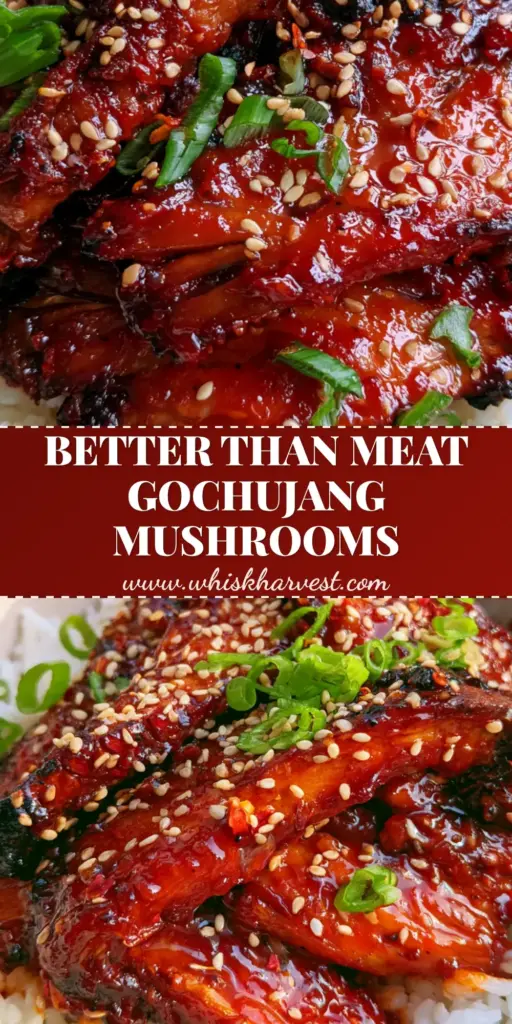
Gochujang Mushrooms offer a sophisticated blend of texture and heat that is rarely found in home cooking. By focusing on the high-heat sear and the syrupy glaze, you create a dish that is as visually stunning as it is delicious.
If you enjoyed this recipe, please leave a comment below and let us know how your mushrooms turned out! Don’t forget to share your creations on Pinterest and tag us.